
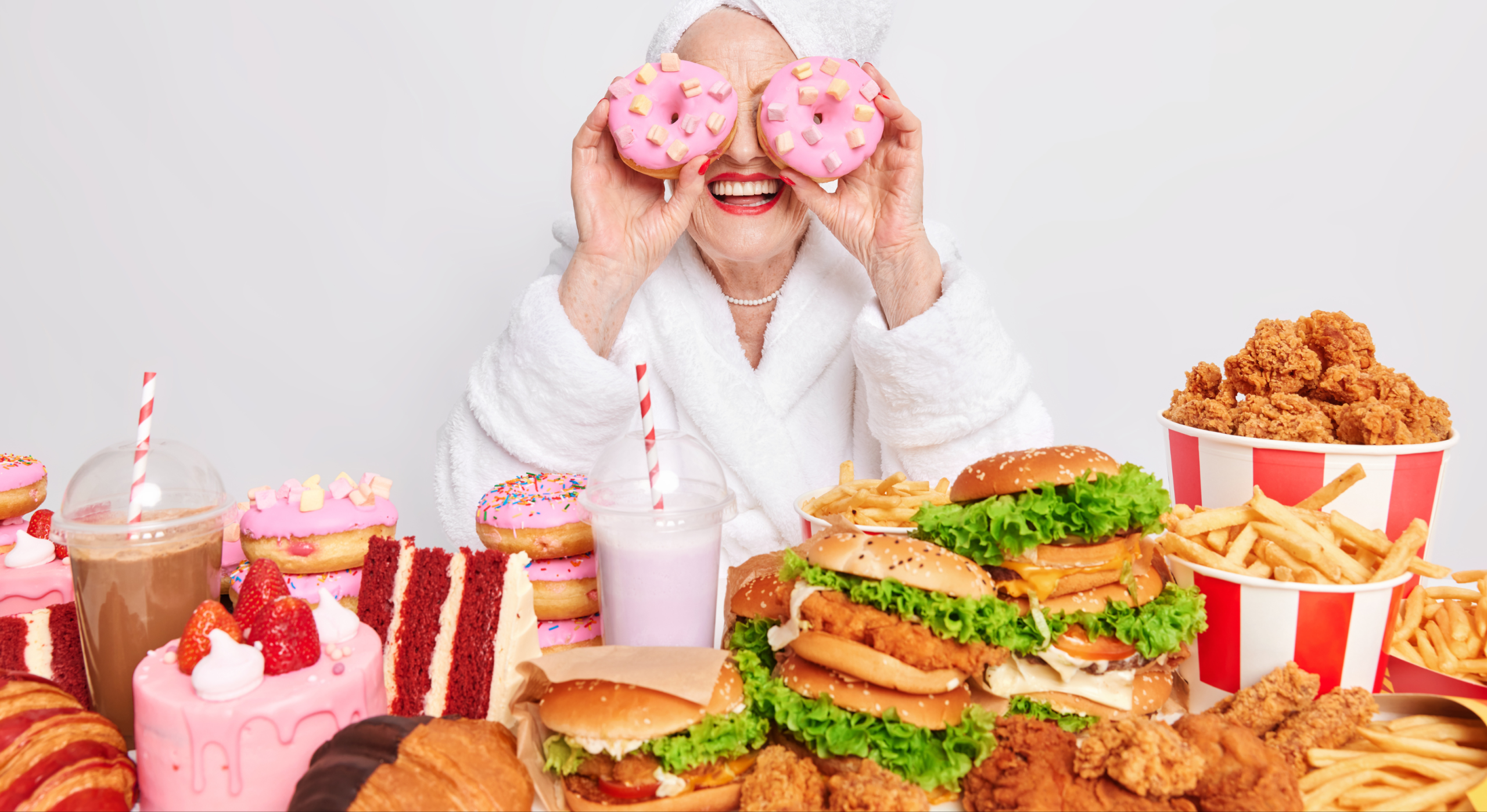
Cravings sometimes appear out of nowhere, catching people by surprise and leaving them wondering why they suddenly want something sweet, salty, or rich. Many individuals assume cravings are simply moments of weakness, yet the story is often more layered than that. According to our editor’s research, cravings can reflect stress, sleep quality, emotions, or even minor nutrient shifts rather than a lack of willpower. This understanding helps people see cravings as messages, not personal failures. When you learn to read these messages, you begin to understand what your body and mind are trying to communicate. This perspective changes the entire relationship individuals have with food.
Why do cravings feel so powerful?
Cravings feel powerful because they involve both biology and emotion working together. The brain releases chemicals that intensify desire when it senses stress, fatigue, or sudden energy drops. As a result of our editor’s reviews, cravings often appear during moments when people feel overwhelmed or distracted. The body looks for quick comfort, and food becomes the easiest tool. Cravings are also connected to memory, which explains why specific foods remind people of safety or pleasure. This mixture of emotion and biology makes cravings feel urgent. Understanding this helps people approach cravings with patience rather than guilt. When you recognize the source, the urge becomes easier to manage.
What do sweet cravings say about your body?
Craving sweets is incredibly common and often linked to tiredness, low mood, or emotional strain. According to our editor’s research, the body sometimes asks for quick energy when blood sugar has dipped after long gaps between meals. Sweet cravings can also reflect emotional fatigue, making the brain reach for comfort. Many people think craving sweets means something is wrong, but it often signals that the body wants stability. This craving may appear when sleep has been inconsistent, which affects hormones that regulate appetite. People experiencing stress may also turn to sweets because the brain associates sugar with quick relief. Recognizing these situations helps individuals respond with balance instead of judgment.
Why do people crave salty foods?
Salty cravings usually appear when the body feels overstressed or slightly dehydrated. As a result of our editor’s reviews, salt sometimes represents the body’s attempt to restore balance after heavy sweating or long hours without fluids. Craving salt can also reflect mental fatigue because crunchy or salty textures create stimulation that temporarily lifts mood. Many individuals crave salty foods during busy periods because the body searches for grounding sensations. Salt cravings can also develop when sleep patterns have been disrupted, causing mild hormonal fluctuations. These patterns show how closely cravings connect to everyday lifestyle habits rather than single causes.
What causes cravings for crunchy foods?
Crunchy food cravings often reflect stress or the need to release tension. According to our editor’s research, the physical act of chewing creates a sense of control during overwhelming moments. People gravitate toward crunchy textures because they stimulate the jaw muscles, which releases stored tension. These cravings may also appear when the mind is overloaded, as the crunch can interrupt racing thoughts. People sometimes use crunchy foods as a sensory reset, similar to tapping or pacing. Understanding this connection helps individuals explore healthier ways to release tension while still honoring the need for sensory relief.
Why do some people crave high-fat or rich foods?
Cravings for rich foods often emerge when individuals feel drained, cold, or emotionally strained. As a result of our editor’s reviews, the body interprets these foods as long-lasting energy sources. Many people experience these cravings during stressful periods because fat-based foods trigger comfort responses in the brain. These foods also feel familiar, which helps people feel grounded when routines are unstable. High-fat cravings are not necessarily harmful but can indicate that people need rest, warmth, or more stable routines. Understanding this connection helps people respond with supportive habits instead of negative self-talk.
Are cravings signs of nutrient deficiencies?
Most cravings are emotional or routine-based rather than strict nutrient warnings. According to our editor’s research, nutrient deficiencies can play a role in some cravings, but they are not the only explanation. Craving chocolate may reflect magnesium shifts, craving red meat may relate to iron needs, and craving dairy may signal comfort rather than calcium deficiency. People often misinterpret cravings as medical emergencies, even though cravings usually blend stress, memory, and environment. Viewing cravings through multiple angles provides a more realistic understanding. When people see cravings as messages instead of diagnoses, they respond calmly and thoughtfully.
Why do cravings intensify during stress?
Stress increases cravings because the brain seeks quick relief from tension. As a result of our editor’s reviews, stress hormones interfere with appetite signals, causing the body to confuse emotional need with hunger. People often crave foods that feel nostalgic, warm, or familiar because these foods activate the soothing pathways in the brain. Stress also disrupts sleep, which intensifies appetite signals the next day. These patterns create a cycle where cravings feel stronger during difficult periods. Recognizing this helps individuals understand that cravings are natural responses rather than weaknesses.
How do emotional memories influence cravings?
Cravings often carry emotional stories. According to our editor’s research, the brain associates foods with past experiences, especially those linked to comfort or celebration. People may crave a childhood snack after hearing certain music or experiencing a familiar smell. Emotional cravings are not random; they are reminders of moments when people felt safe or supported. Understanding this helps individuals respond with compassion instead of frustration. Emotional cravings can also reveal the need for connection, rest, or reassurance. When people acknowledge these emotional needs, cravings often lose intensity.
Why do cravings follow specific routines?
Cravings become habits when the body expects a reward at a certain time. As a result of our editor’s reviews, many cravings occur at predictable times like mid-afternoon or late evening. People often pair food with routines such as watching television, driving, or finishing work, which trains the brain to expect a treat. These routine-based cravings are not related to hunger but anticipation. Recognizing this pattern allows individuals to create new associations that reduce automatic cravings. Small changes in routine often reduce cravings more effectively than strict dieting.
What helps people manage cravings without restriction?
Managing cravings begins with understanding them. According to our editor’s research, people who observe cravings calmly find it easier to respond with balance. Eating regular meals, staying hydrated, and ensuring consistent sleep patterns reduce craving intensity. Gentle movement and short breaks throughout the day also help. People can also explore alternatives that meet the same need, such as warm drinks for comfort or crunchy vegetables for stress relief. Restriction usually increases cravings, while understanding reduces them. When people shift their mindset, cravings become signals rather than obstacles.
How can people listen to their body with clarity?
Listening to cravings with clarity means recognizing patterns without judgment. As a result of our editor’s reviews, individuals who understand their cravings build healthier habits over time. They learn when cravings reflect fatigue, stress, emotion, or routine. This awareness helps people care for themselves with honesty. Cravings are simply signals pointing toward needs that deserve attention. People who treat cravings as information rather than temptation often develop a more balanced relationship with food and themselves.